


November invites us to slow down and think about what we’re thankful for, and good health is always near the top of the list. This month is Diabetic Eye Disease Awareness Month, a chance to talk about how closely diabetes and eye health are linked.
Millions of people live with diabetes, and many don’t realize it can quietly affect the eyes long before vision changes show up. The encouraging part is that a little knowledge and a yearly exam go a long way toward keeping your eyes healthy. For us, this month is about education and support, whether you’re managing diabetes or simply want to take great care of your eyes. Along the way, we’re also sharing a timely reminder to put your vision benefits to work before the year ends, plus a few easy tips for driving comfortably now that the sun is setting earlier.
Caring for Your Diabetes Means Caring for Your Eyes
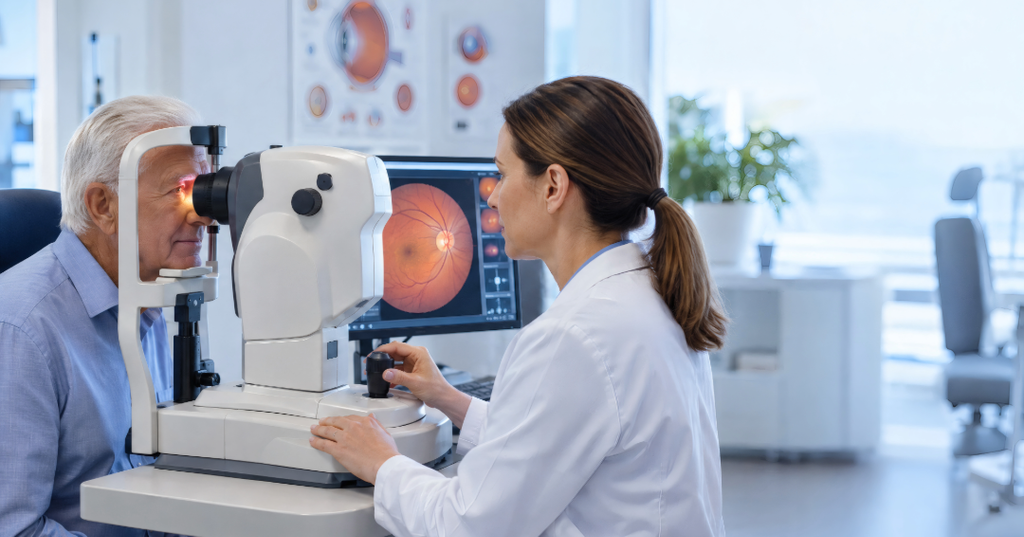
If you or someone you love has diabetes, eye health is an important part of managing it, and staying on top of it is easier than you might think.
Over time, higher blood sugar can affect the tiny blood vessels in the retina, the light-sensing tissue at the back of the eye. This is called diabetic retinopathy. It can affect people with type 1, type 2, or gestational diabetes, and the likelihood increases the longer someone has diabetes.
The early stages usually cause no symptoms, so vision can feel perfectly normal while changes quietly begin. That’s why regular exams matter: catching changes early gives you and your doctor the most options.
Did You Know?
- Diabetic retinopathy is the most common cause of vision loss among people with diabetes (National Eye Institute).
- Early detection and timely care can significantly reduce the risk of serious vision loss (National Eye Institute).
- The Centers for Disease Control recommends that people with diabetes get a comprehensive, dilated eye exam at least once a year.
What to Expect at Your Diabetic Eye Exam
Nothing about this visit needs to feel intimidating. Here’s what a typical appointment looks like:
- A conversation about your health. We’ll review your diabetes history, blood sugar control, and medications.
- A vision and eye pressure check. Both are quick and comfortable.
- A detailed retina evaluation. Your doctor examines the blood vessels in the back of your eye, often with retinal imaging.
Managing diabetes is a team effort, and we’re honored to be part of yours.
Schedule your visit at a location near.
Use It or Lose It: You’ve Already Paid for These

Vision insurance and Flexible Spending Accounts (FSAs) help cover the cost of eye care, from exams to glasses and contacts. Because many plans renew annually, any unused benefits may not roll into the next year.
Your benefits can go toward more than you might expect:
- A comprehensive eye exam to check your vision and overall eye health
- A new pair of glasses with an updated prescription
- A backup pair, so you’re covered if your main pair breaks or gets lost
- Prescription sunglasses for protection and comfort year-round
- A new supply of contact lenses
Putting these benefits to work now means better vision and better eye health, plus the chance to elevate your style heading into the new year, without paying out of pocket for something you’ve already earned.
Not Sure What Your Benefits Cover?
Our teams are happy to look it up with you. Just give us a call, and we’ll help you understand what your plan includes so you can make the most of it before the year ends.
Appointments fill up quickly during the holidays, especially in November and December, so don’t wait too long to book your exam.
Schedule your visit today and head into the new year seeing clearly.
Driving in the Dark: Tips to Help Your Eyes Adjust
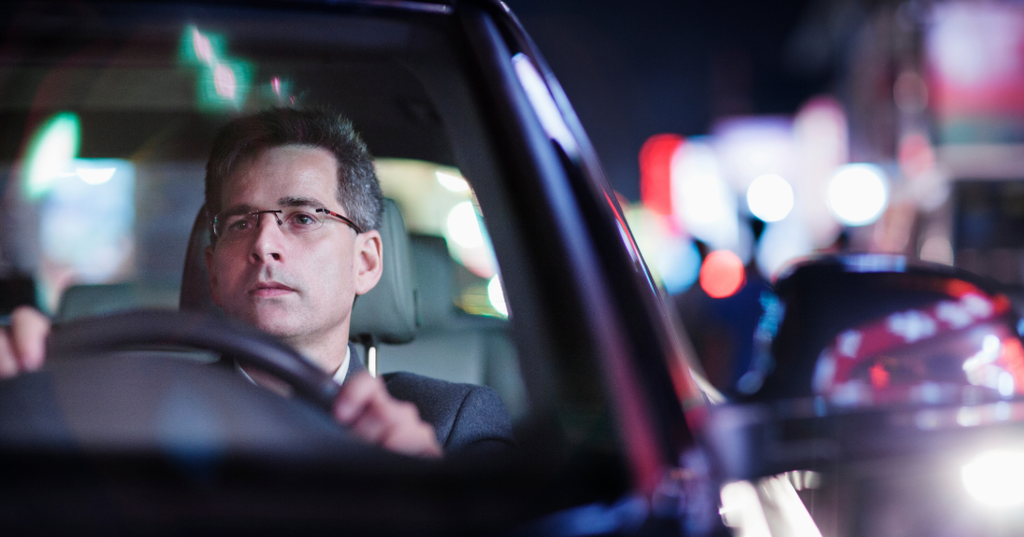
Daylight saving time has ended and the clocks have fallen back an hour. The extra morning light is nice, but with earlier sunsets, many of us are now driving home in the dark. Our eyes need more light to see well at night, and glare from headlights and streetlights can feel stronger this time of year.
A few simple ways to make evening drives more comfortable:
- Keep your windshield and eyeglass lenses clean. Smudges and film scatter light and make glare worse. Don’t forget the inside of your windshield.
- Wear your prescription eyewear whenever you drive at night. Even a small prescription change can be noticeable in low light.
- Ask about anti-reflective coating. It reduces glare from headlights and streetlights, which can make night driving more comfortable.
- Dim your dashboard lights. Bright screens and gauges can make it harder for your eyes to adjust to the road.
- Look slightly to the right of oncoming headlights. Using the edge of the road as a guide helps reduce glare.
Take the Next Step for Your Vision
Whether it’s your yearly diabetic eye exam, a visit to use your benefits before they expire, or your very first eye exam exam, we’d love to see you.
Schedule your comprehensive eye exam with a location near you today.