


There’s something about October that gets us thinking more deeply about vision — not just how well we see, but what it means to see at all. This month is home to both World Sight Day and Blindness Awareness Month, two observances that remind us how many people around the world live without access to basic eye care, and how many others navigate life beautifully without full sight.
For us, it’s a chance to talk openly about something we care about every day: understanding your eyes, catching changes early, and appreciating the incredible, complex system that lets us experience the world. And since Halloween is right around the corner, we’re also sharing a few things worth knowing before you pick out those spooky costume contacts!
A World Where Everyone Can See
Every year, World Sight Day reminds us of something easy to take for granted: our vision. Around the world, millions of people are living with vision loss that could have been prevented or corrected — many simply because they never had access to an eye exam.
We believe good vision shouldn’t be a privilege. It’s foundational to how we learn, work, drive, connect with loved ones, and experience the world around us.
Did You Know?
- Globally, an estimated 2.2 billion people live with a near or distance vision impairment, and at least 1 billion of those cases could have been prevented or have yet to be addressed (World Health Organization).
- Vision impairment affects people of all ages, though the majority are over age 50 (WHO).
- Unoperated cataracts and uncorrected refractive error remain the leading causes of vision impairment worldwide – both are typically caught through a routine eye exam (WHO).
A Small Way to Give Back
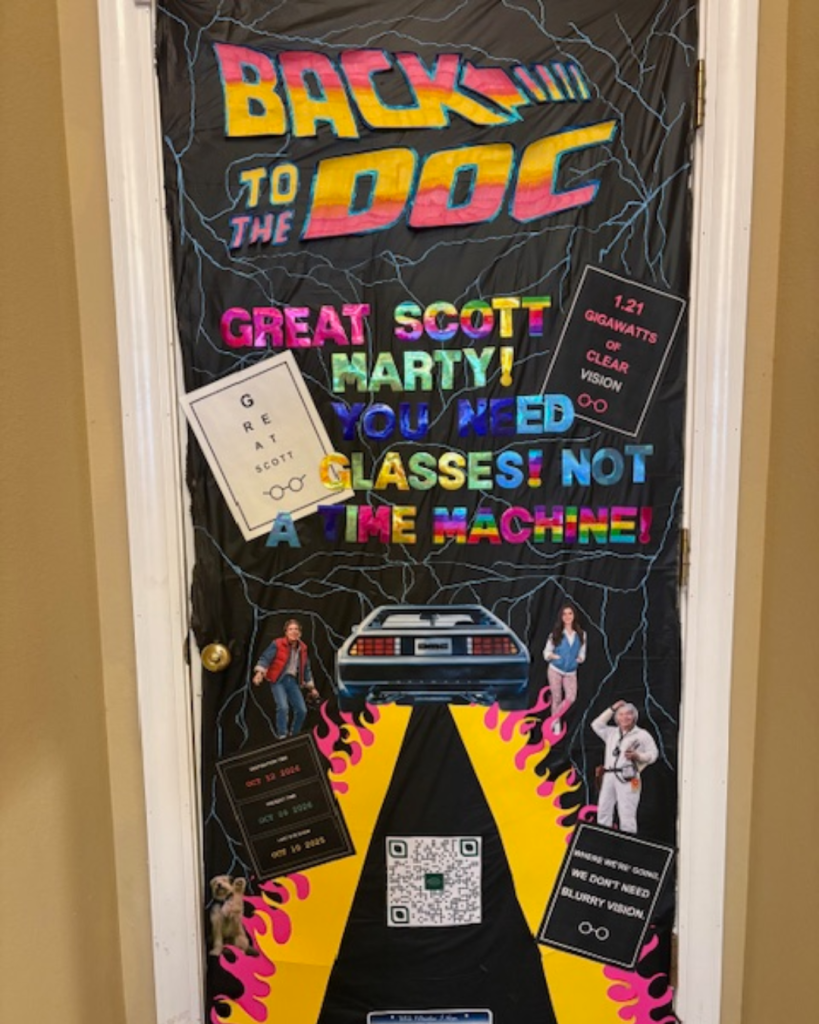
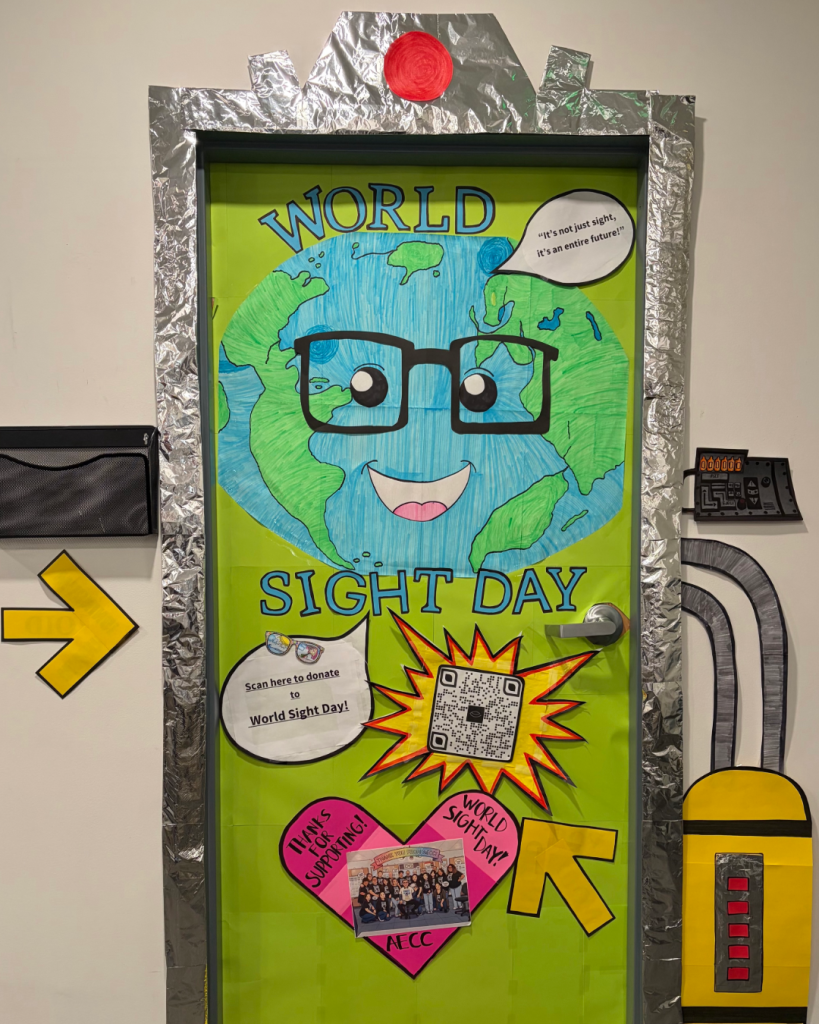
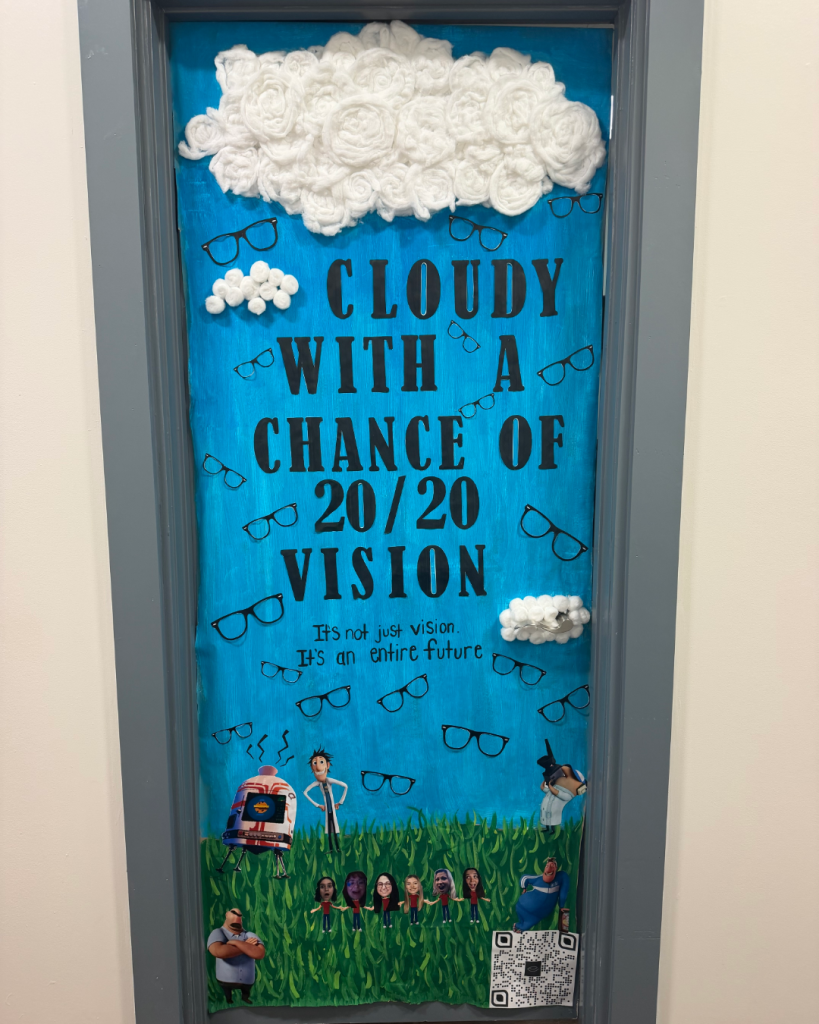
In honor of World Sight Day on October 8th, our clinics came together to decorate their doors, raising awareness and donations for Optometry Giving Sight, an organization that provides eye exams, eyeglasses, and long-term solutions like training local eye care professionals and building vision clinics in underserved communities worldwide.
Because clear vision shouldn’t be a one-time fix — it should be a lifelong promise.
Take a look at our clinics’ winning door decorations!
Blindness Awareness Month: Understanding, Together

Every October, Blindness Awareness Month invites us to talk openly about vision — how it works, how it can change, and how millions of people around the world live full, vibrant lives with vision loss every single day.
This month isn’t about fear. It’s about understanding. The more we know about our eyes, the better equipped we are to protect them — and the more we can appreciate and support those in our community who experience the world a little differently.
Honoring the Vision Loss Community
Vision loss looks different for everyone. Some people are born with it. Others develop it gradually with age or a health condition. Many people with low vision or blindness lead independent, accomplished lives — often navigating the world with skills, tools, and adaptations most of us never think about.
What You Can Do for Your Own Eyes
The good news is that many causes of vision changes can be identified early — often before you’d notice any symptoms at all. That’s why regular eye exams matter, not as a scare tactic, but as simple, proactive care — the same way you’d get a routine dental cleaning or physical.
A comprehensive eye exam assesses every area of the visual system — not just how clearly you see, but how your eyes function, focus, and work together. If an area is identified that could use extra support, a personalized vision therapy program can be developed to strengthen and support specific visual skills, whether that means helping a child who’s struggling with reading, or supporting visual development after an injury or diagnosis.
Take the Next Step for Your Vision
Whether it’s a routine check-in or your very first comprehensive exam, we’d love to see you!
Schedule your comprehensive eye exam with a location near you today.
Before You Buy Costume Contacts, Here’s What to Know
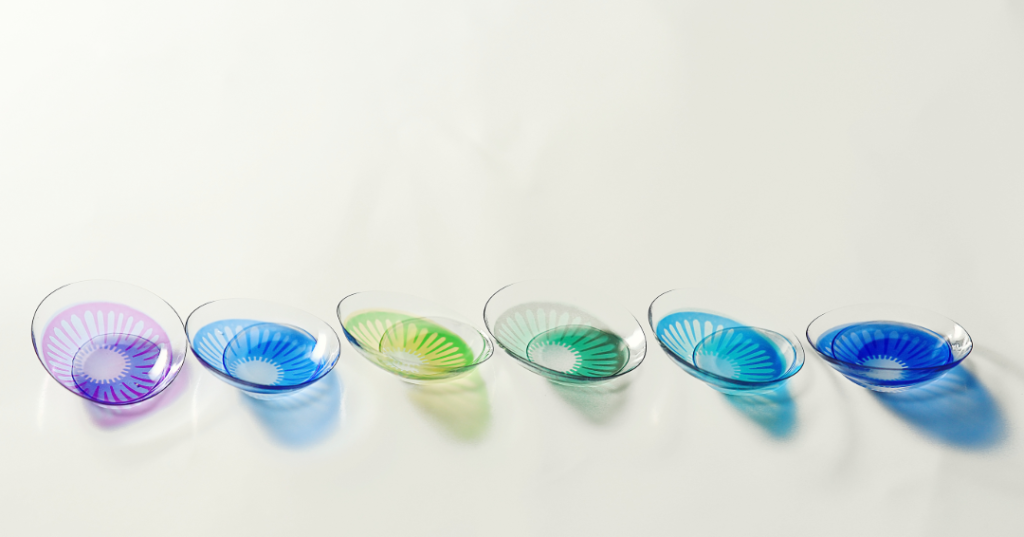
Vampire eyes, cat-eye slits, all-white zombie stares — decorative contact lenses are a Halloween favorite. But if you’re picking them up from a costume shop, beauty supply store, or a website that doesn’t ask for a prescription, you could be putting your eyes at serious risk.
What to Know Before You Buy
Contact lenses — including the purely cosmetic, non-vision-correcting kind — are classified as medical devices by the FDA, not costume accessories. That means they’re regulated for safety just like prescription contacts, and it’s illegal to sell them without a valid prescription (FDA).
That prescription step matters because it ensures the lens actually fits your eye. A contact lens that isn’t properly fitted by an eye care professional can affect the cornea, the eye’s outer layer, and make it more vulnerable to irritation or infection (American Academy of Ophthalmology). Skipping the prescription and fitting process is associated with a higher rate of complications, from minor irritation to more serious issues (CDC).
How to Wear Costume Contacts Safely
- Get an exam and prescription first. Even if you have great vision, decorative lenses still need to be fitted to your eyes.
- Buy only from a licensed source. Your eye doctor, or a retailer that requires a prescription before selling.
- Look for the ask. A legitimate seller will always ask for your prescription before selling contacts (FDA).
- Practice good lens care, just as you would with any contacts — clean hands, proper solution, don’t sleep in them, and don’t share.
Planning to Wear Costume Contacts This Year?
Come see us first. We can fit you properly and make sure whatever you choose is comfortable and right for your eyes.
Schedule an appointment before the big night. Have a fun and safe Halloween from all of us at Elevate Eyecare!